
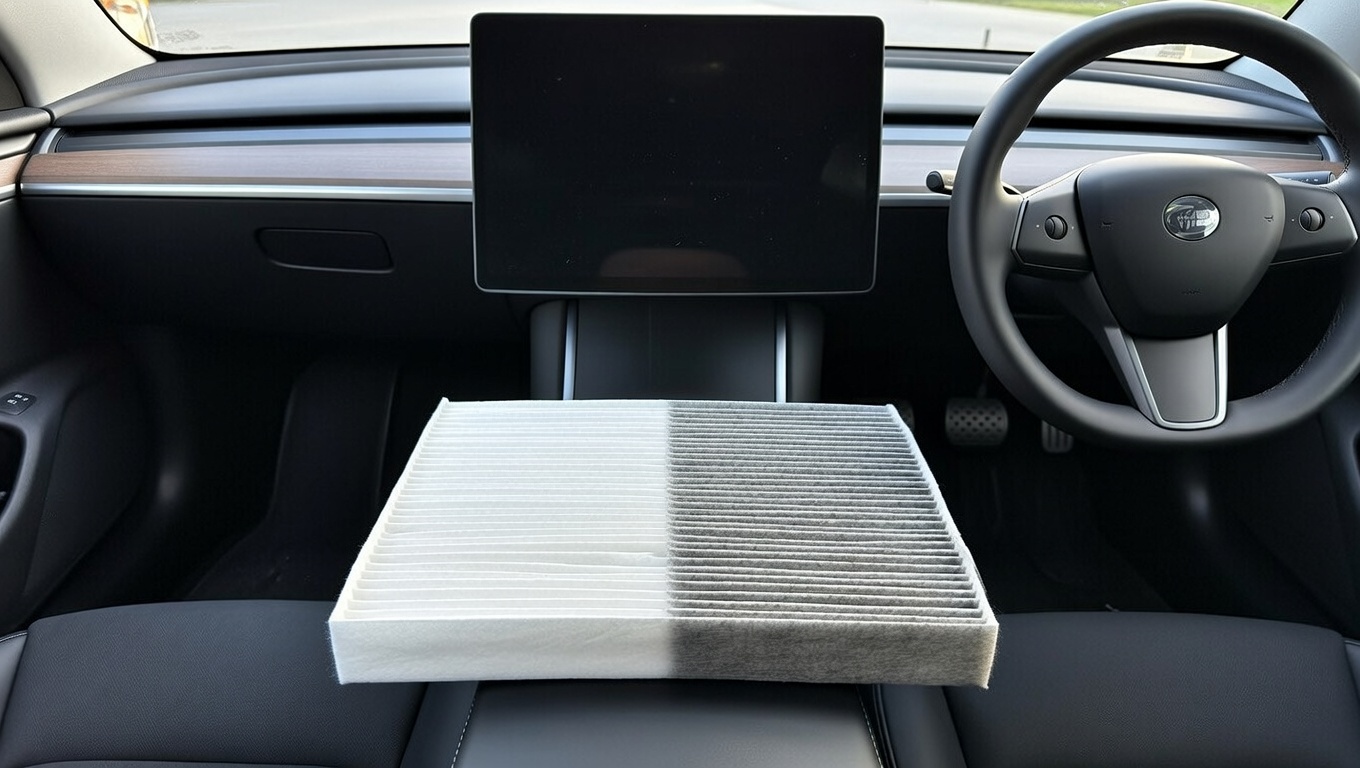
As electric vehicles become increasingly common on UK roads, many owners appreciate the reduced maintenance compared to traditional petrol or diesel cars. However, one often-overlooked maintenance item remains critical: the cabin air filter. In EVs, where the HVAC system works harder to maintain cabin temperature without engine heat, a clean cabin filter is more important than ever for health, comfort, and efficiency.
What Does a Cabin Air Filter Actually Do?
The cabin air filter (also called pollen filter) cleans the air entering your vehicle’s interior through the heating, ventilation, and air conditioning (HVAC) system. It traps dust, pollen, soot, exhaust fumes, bacteria, and other airborne pollutants — especially important in busy cities like London with high pollution levels.
Why Cabin Air Filter Replacement Is Especially Important in EVs
Electric vehicles are typically more airtight than conventional cars, relying heavily on recirculated and filtered air for climate control. A clogged filter reduces airflow, forces the HVAC system to work harder (consuming more battery power), allows contaminants to enter the cabin, and can lead to unpleasant odours or foggy windows.
- Improved indoor air quality and reduced allergy symptoms
- Better HVAC efficiency and potential range preservation
- Elimination of musty smells and harmful particles
- Protection of the blower motor and other HVAC components
How Often Should You Replace Your EV Cabin Air Filter?
Replacement intervals vary by manufacturer and driving conditions:
- Tesla Model 3 & Model Y — every 2 years (more frequent in high-pollution areas)
- Many other EVs — every 12–24 months or 15,000–30,000 miles
- Always check your owner’s manual and consider more frequent changes in urban environments or during pollen season
Signs it’s time for replacement include weak airflow from vents, musty/odour issues, increased noise from the fan, or visible dirt when inspected.
Premium Cabin Air Filters Available at EV Accessories
At EV Accessories, we stock a wide range of high-quality cabin air filters specifically for electric vehicles. Browse our complete Cabin Filters category featuring over 30 products for popular models.
Popular choices include:
- Tesla Model 3 & Model Y Cabin Air Filter – with charcoal and antibacterial properties
- Nissan Leaf Cabin Air Filter – reliable pollen and dust protection
- Tesla Model Y HEPA Filter – advanced high-efficiency particulate air filtration
- Porsche Taycan Cabin Pollen Filter with Activated Charcoal
- BMW i3 Cabin Air Filter Set
- Jaguar I-PACE, MG ZS, Renault Zoe, Hyundai Kona, and many more
Many of our filters feature activated carbon/charcoal for superior odour and gas removal — perfect for city driving.
Final Thoughts
Replacing your EV’s cabin air filter is a quick, affordable way to dramatically improve air quality, comfort, and system efficiency. Don’t wait for symptoms — stay ahead with regular maintenance.
Shop the full range today at EV Accessories Cabin Filters and breathe easier on every journey.
Frequently Asked Questions (FAQ)
How often should I replace the cabin air filter in my electric vehicle?
Most manufacturers recommend every 12–24 months or 15,000–30,000 miles. Tesla suggests every 2 years for Model 3/Y (more often in polluted areas). Check your owner’s manual.
Why are cabin filters more important in EVs than in regular cars?
EVs are more airtight and rely heavily on the HVAC system for temperature control, making clean filters essential for airflow, efficiency, and air quality.
What are the signs of a dirty cabin air filter?
Reduced airflow, musty or bad odours, increased fan noise, allergy symptoms, or foggy windows.
Can I install a cabin air filter myself?
Yes — most are easy DIY jobs, usually located behind the glovebox or under the dashboard. Installation guides are available for most models.
What is the benefit of activated carbon or HEPA cabin filters?
Activated carbon removes odours and harmful gases; HEPA filters capture very fine particles including allergens and pollutants — ideal for city driving.